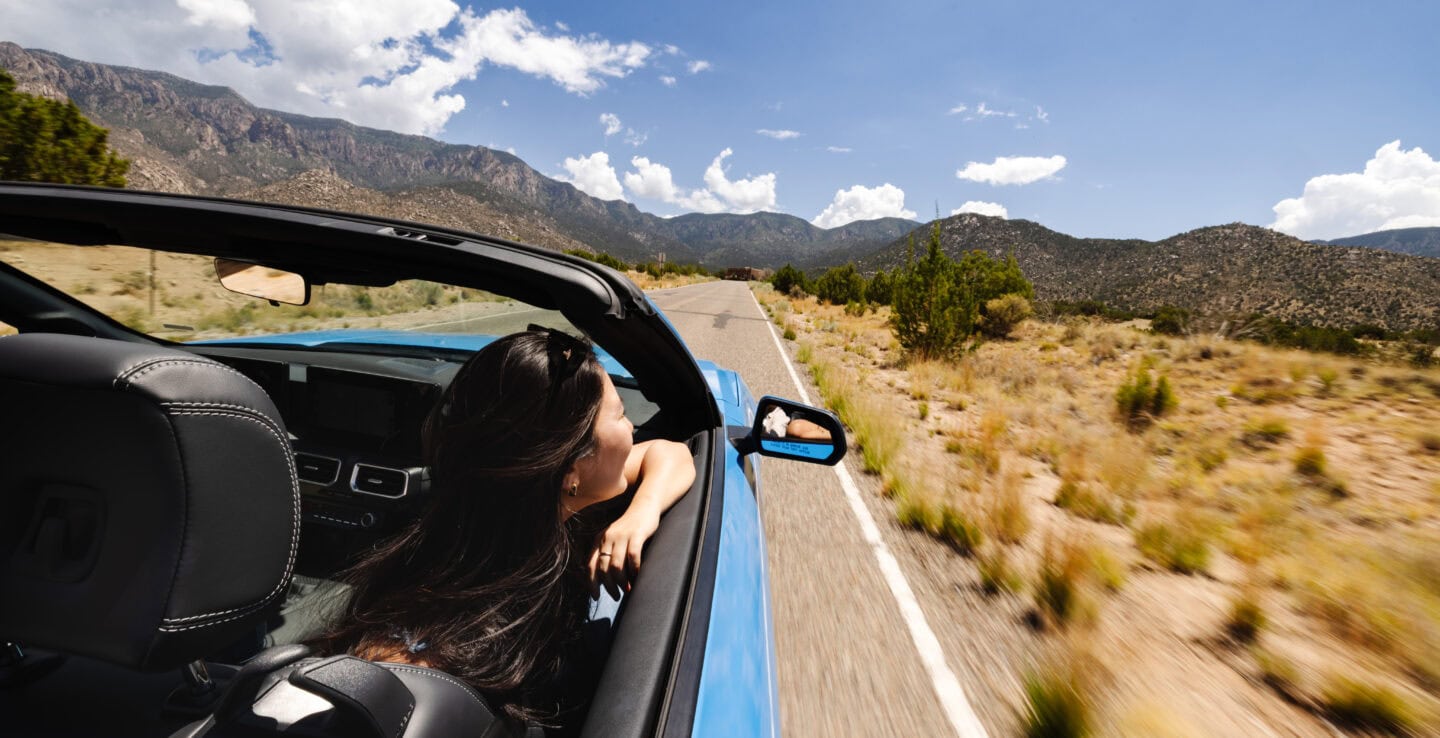
The keys to a smooth journey on the USA’s most iconic highway.
Whether you’re planning an action-packed itinerary or chasing the freedom of the open road, these resources can get you on your way to an unforgettable Route 66 adventure.
Route 66 was established in 1926, as part of the USA’s first federal highway system, linking the Midwest to the Pacific. This year, America will celebrate 100 years of the Mother Road. The original route stretched through eight states – Illinois, Missouri, Kansas, Oklahoma, Texas, New Mexico, Arizona and California – delighting motorists with scenic views and unique roadside attractions.
Though it was officially decommissioned in 1985, the spirit of Route 66 lives on. You can explore its legendary culture along local roads, highways and intact stretches still bearing the Route 66 moniker. These segments connect vibrant cities, charming towns and captivating landscapes filled with quirky art installations and retro rest stops.
With so much to see and do along the fabled route, it’s best to plan ahead. Researching travel advisories and trip ideas before you hit the road will allow you to savor the journey and visit all the areas that interest you. Use the resources below to make the most of your Mother Road experience.
The best times to travel Route 66 are late spring to early summer (May-June) and late summer to early fall (September-October). You’ll avoid the summer heat and potential winter hazards at higher elevations.
These travel hubs offer convenient flight options for end-to-end adventures and destination-specific trips. Rental cars, including electric vehicles (EVs), are available on-site.
Chicago O’Hare (ORD) in Illinois and Los Angeles (LAX) in California bookend the route. Major airports in between include:
From mapping your route to observing the rules of the road, these tips can help you cruise Route 66 with confidence.
Route 66 winds through a diverse range of climates. Pack the items you need to stay comfortable in changing conditions.
Look beyond the classic road trip to find Route 66 excursions tailored to groups, solo travelers and thrill seekers:
MORE TRIP IDEAS

Food & Drink
Road Trips
Route 66
10 Places To Eat Along Route 66
There’s no better way to experience authentic USA food than to sample the cafés and diners along iconic Route 66.
Read Article
Outdoors
Road Trips
Unforgettable Louisiana Experiences: New Orleans to the Great Outdoors
Discover why “Sportsman’s Paradise” is more than just a slogan in Louisiana.
Read Article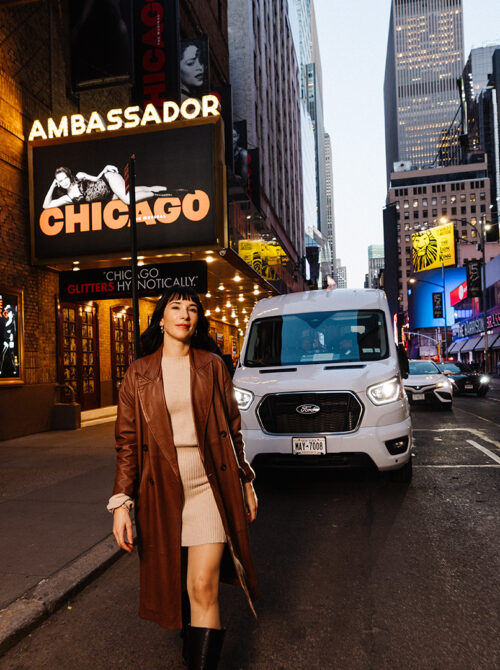
American Originals
Arts & Culture
Road Trips
Performing Arts Tour of Broadway, Manhattan & Beyond
From Broadway’s bright lights to New England stages, this Northeast journey connects iconic theaters, live music and cultural landmarks.
Read Article
Arts & Culture
Outdoors
Road Trips
Route 66
4 Reasons To Take A Route 66 Road Trip Through Missouri
Discover what makes the Mother Road a must-see, from historic sites and scenic views to iconic food stops and vintage lodging along Missouri’s Route 66.
Read Article
Arts & Culture
Outdoors
Road Trips
Route 66
Must-See Route 66 Attractions In Texas
Situated right in the middle of the Mother Road, the Texas stretch of Route 66 delivers vintage thrills and down-home charm.
Read Article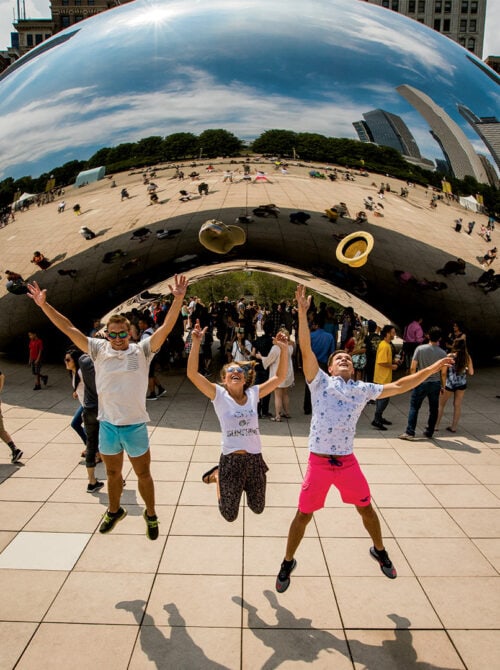
American Originals
Arts & Culture
Road Trips
10 Iconic Outdoor Sculptures & Monuments to See on a USA Road Trip
Discover massive monuments and incredible sculptures you’ll want to add to your road trip itinerary.
Read Article