Experience the rich, vibrant culture of the nine federally recognized tribes of Oregon.
For thousands of years, Indigenous people have inhabited and cultivated the picturesque and bountiful lands of Oregon. Among the jagged coastlines, mountains and high deserts, Oregon’s tribal nations have persevered while keeping their storied traditions alive. Visitors today can experience this unique heritage across the state by attending powwows, exploring cultural sites and ancestral lands, and supporting tribe and Indigenous-owned businesses.
Traditional homelands of the Coquille Indian Tribe, the Confederated Tribes of Siletz Indians and the Confederated Tribes of Coos, Lower Umpqua and Siuslaw Indians
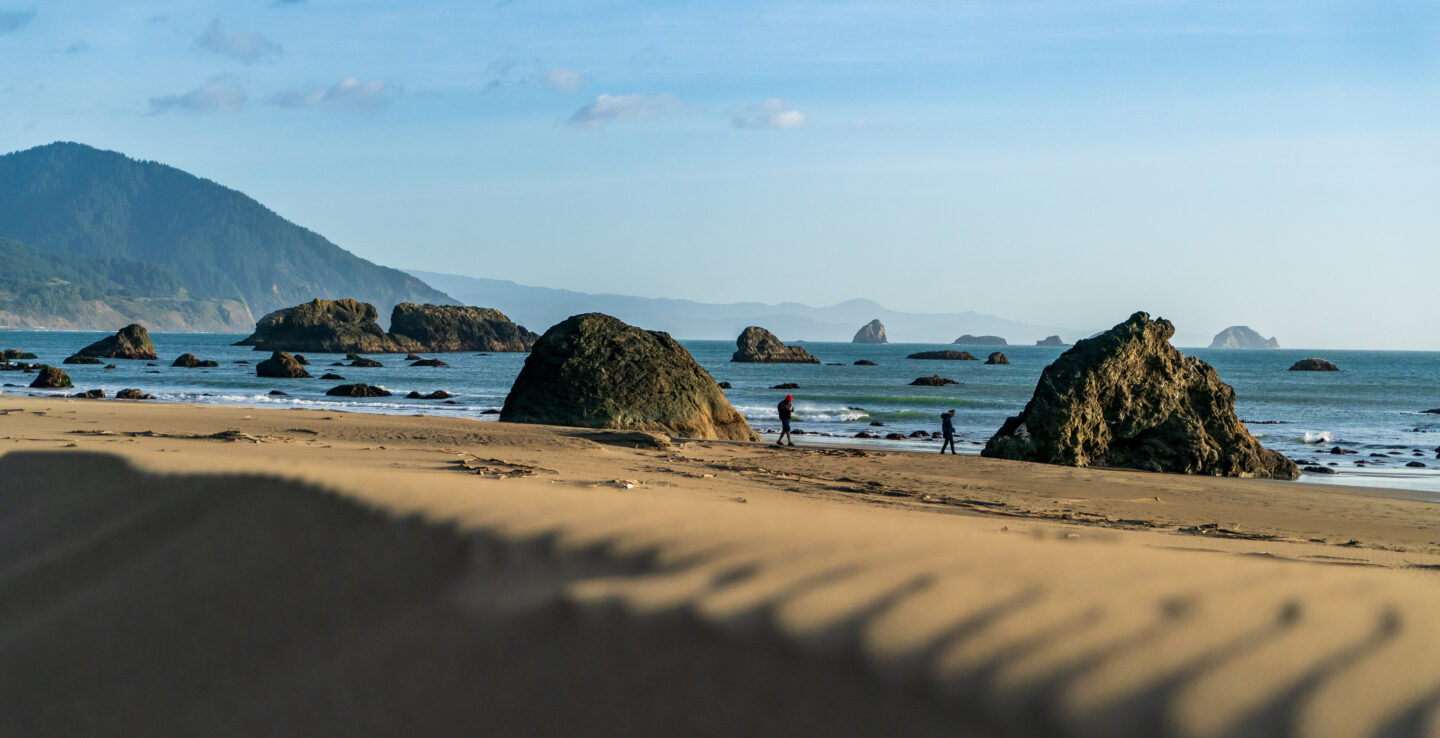
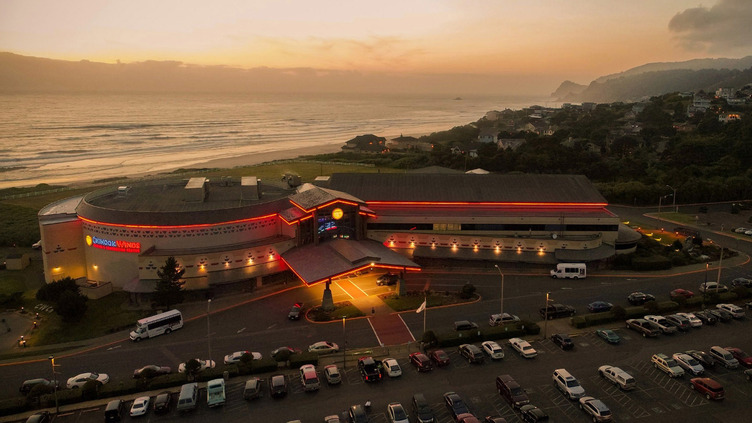
The coastal land of Oregon features dramatic scenery with towering cliffs, wide sandy beaches and unique rock formations. It is also a wonderful place to watch for whales, and the state’s entire coastline is publicly accessible. At the Cannon Beach History Center and Museum in Cannon Beach, visitors can listen to recordings of Native oral historical accounts to gain a deeper understanding of the local Indigenous experience. The museum also contains a replica Native American Loghouse, a traditional multi-family, bark-covered dwelling. The Museum of Natural and Cultural History farther inland in Eugene is an immersive experience covering 15,000 years of Indigenous culture. A main focus of the museum is contemporary Native American communities with exhibits created by collaborating with local tribes. Kilchis Point Reserve in Bay City is one of the largest archeological sites of an ancestral village along Oregon’s coastline and features interpretive trails detailing the history of the Tillamook people. Hike the Ya’Xaik Trail in Yachats through the ancestral lands of the Alsea people. This trail is maintained in partnership with the Confederated Tribes of Siletz Indians. Visitors can also support the Siletz at the Chinook Winds Casino Resort, which is owned and operated by the confederation.
Traditional homelands of the Burns Paiute Tribe and the Confederated Tribes of the Umatilla Indian Reservation
Eastern Oregon is known for its dramatic arid landscape with high deserts and deep river gorges and canyons. The Tamástslikt Cultural Institute on the Umatilla Indian Reservation near Pendleton is a museum and research center. It’s the only American Indian-owned interpretive center on the Oregon Trail. The center tells the story of Western expansion from the perspective of the Cayuse, Umatilla and Walla Walla Tribes via dioramas, interactive displays and artifacts. The Crow’s Shadow Institute of the Arts, also in Pendleton, advances Indigenous voices through printmaking and preserving Native artistic traditions. Picture Rock Pass features easily accessible ancient petroglyphs carved into the rock. Spend some time at the Wildhorse Resort & Casino, owned by the Confederated Tribes of the Umatilla Indian Reserve. Every summer the resort hosts the July Powwow, a three-day celebration that showcases Native dancing, drumming and singing with vendors selling traditional regalia, crafts and local cuisine. The event is open to and free for the public.
Traditional homelands of the Cow Creek Band of Umpqua Tribe of Indians and the Klamath Tribes
Southern Oregon is home to the Cascade Mountains and the deep blue, clear waters of Crater Lake National Park. For insight into the region’s tribal nations, Favell Museum in Klamath Falls is renowned for their collection of over 100,000 artifacts which includes the most comprehensive collection of arrowheads and points in North America. View a rare fire opal arrowhead and marvel at the museum itself made with lava rock and wood designed to blend in with its natural surroundings. The Cascade-Siskiyou National Monument in Ashland is home to sacred sites of Indigenous people. It has been used for gathering food, medicine and materials for centuries, and its modern trails trace ancient Indigenous routes. It is a UNESCO Biosphere Reserve and is home to a wide variety of rare and endangered plant and animal species. The Oregon Caves National Monument in Josephine County preserves caves used by the Takelma and Shasta people for prayer, food storage and shelter. Crater Lake, known as “Giiwas” to the Klamath Tribes, is an immensely powerful and sacred place, representing a portal between the human and spirit worlds. Southern Oregon University in Ashland hosts Indigenous Peoples’ Day in October. This multi-day event features Native dancing and local food vendors serving favorites like frybread and baked salmon as well as an artist market. In spring, the university hosts its Annual Spring Powwow, also known as the “Mother’s Day Powwow.” The free event is open to the public and includes traditional dancing, drumming and food.
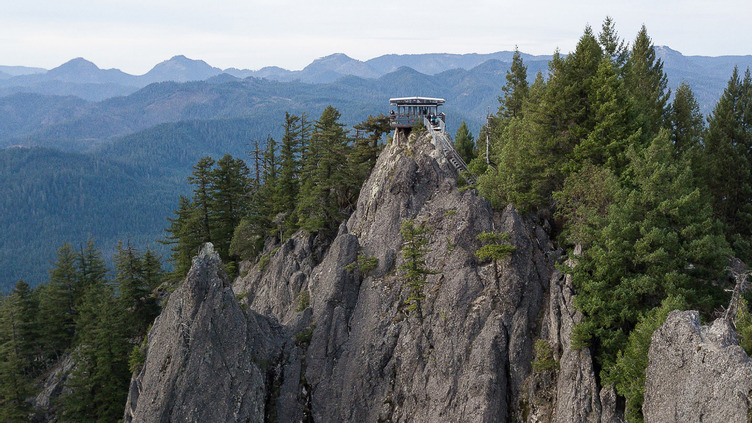
Traditional homelands of the Confederated Tribes of Warm Springs
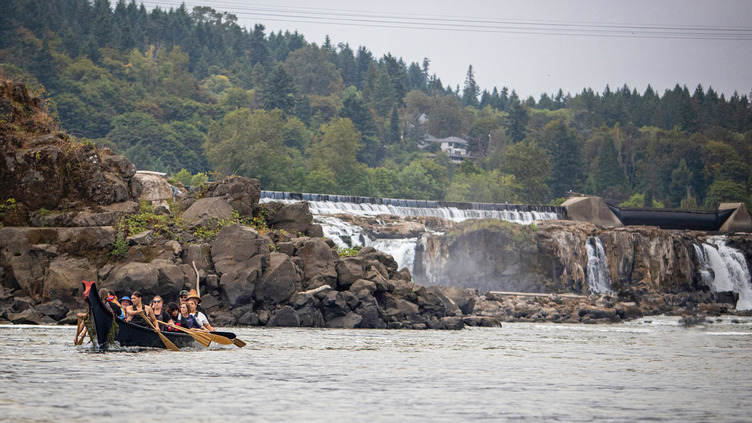
Experience year-round adventure, more than 300 days of sunshine and a booming craft beer scene in the volcanic, high-desert landscape of Central Oregon. The Museum at Warm Springs, located on the Warm Springs Reservation, is designed to replicate a traditional encampment. Hear recordings of elders from the Confederated Tribes of Warm Springs, and in summer, see tribal members perform live demonstrations of traditional arts such as beadwork. Animal lovers will enjoy the High Desert Museum in Bend, which houses over 100 animals, many of whom have been rescued. See river otters, bobcats, porcupines and birds of prey, including the “Raptors of the Desert Sky” performance. While there, check out exhibits on the Plateau Indians and forested walking trails. Visit Celilo Falls, which has served as a tribal fishing, trading and spiritual hub until the U.S. Army Corps of Engineers created a reservoir out of the falls in the 1950s. At Sherars Falls on the Deschutes River, tribal members still use the traditional dip-net fishing technique to catch salmon. At Kah-Nee-Ta Hot Springs Resort, also on the Warm Springs Reservation, relax in natural, mineral-rich hot springs and sleep in authentic teepees with fire pits.
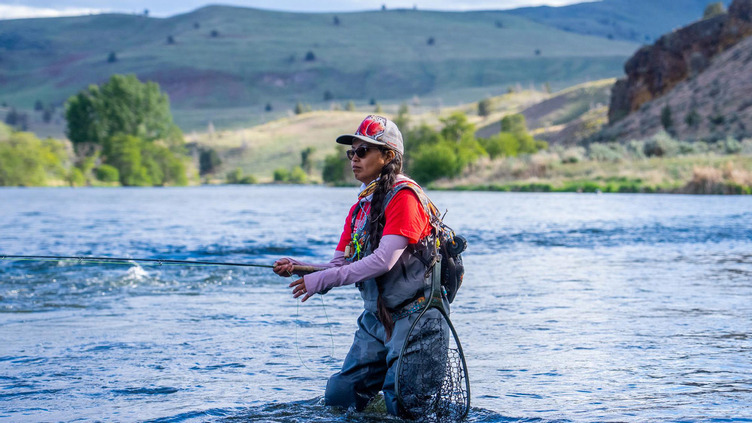
Traditional homelands of the Confederated Tribes of Grand Ronde
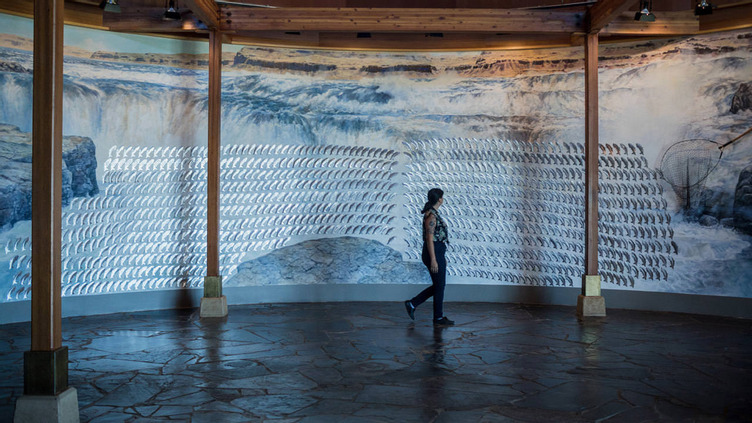
Oregon’s premier wine region with over 700 wineries, the Willamette Valley’s maritime climate with mild winters and warm summers make it the ideal place to grow wine grapes, enjoy farm-fresh cuisine and explore the outdoors. The area is home to The Confederated Tribes of Grand Ronde, a sovereign nation comprised of over 30 tribes and bands. Visit the Chachalu Museum and Cultural Center in Grand Ronde to learn about the resilience of these Confederated Tribes and see interactive exhibits like hand-carved canoes. At the Willamette Heritage Center in Salem, Oregon’s capital city, see exhibitions exploring the history and culture of the Kalapuya People. The collection at the Hallie Ford Museum of Art, also in Salem, blends historical and contemporary Native art and displays works by current Indigenous artists.